King Vidor (1894 - 1982)
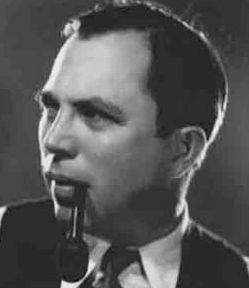
King Vidor was one of the most
imaginative and dependable directors in Hollywood history. His
reputation as a maverick who worked well within the studio system is
mainly based on his silent and early sound films though he continued
making worthwhile movies throughout his forty year career.
Vidor first arrived in Hollywood with his then wife silent film actress Florence in 1915. At first she was much more successful while King worked his way up from scenario writer to producer-director. He was employed by Goldwyn when it merged with Metro and Mayer to become MGM. It was there that he made his greatest silent films which are among the best of the Twenties : the anti-war epic The Big Parade (1925) with John Gilbert, Lillian Gish's La Boheme (1926) and the realistic drama The Crowd (1928). The Big Parade (1925) was a huge box office success and encouraged Irving Thalberg to finance Vidor's more personal, down beat work like The Crowd (1928) which was definitely influenced by the German expressionists particularly F.W. Murnau.
Vidor's last silent films were two inconsequential though fun comedies starring Marion Davies : Show People (1928) and The Patsy (1928). His first talkie was the all-black film Hallelujah (1929) an unusual early sound film in that it was filmed on location. His biggest commerical success of the Thirties was The Champ (1931) starring Wallace Beery and Jackie Cooper though more interesting were his returns to the social concerns of The Crowd with Street Scene (1931) and Our Daily Bread (1932).
At the end of the Thirties Vidor directed the monochrome scenes in The Wizard of Oz (1939) and the entertaining Spencer Tracy western Northwest Passage (1940). He returned to the western for Duel In The Sun (1946) one of producer David O' Selznick's attempts to outdo Gone with the Wind (1939). His last notable film was a credible attempt to adapt Tolstoy's War and Peace (1956).
Vidor's silent movies in particular mean he will continue to be remembered.
Vidor first arrived in Hollywood with his then wife silent film actress Florence in 1915. At first she was much more successful while King worked his way up from scenario writer to producer-director. He was employed by Goldwyn when it merged with Metro and Mayer to become MGM. It was there that he made his greatest silent films which are among the best of the Twenties : the anti-war epic The Big Parade (1925) with John Gilbert, Lillian Gish's La Boheme (1926) and the realistic drama The Crowd (1928). The Big Parade (1925) was a huge box office success and encouraged Irving Thalberg to finance Vidor's more personal, down beat work like The Crowd (1928) which was definitely influenced by the German expressionists particularly F.W. Murnau.
Vidor's last silent films were two inconsequential though fun comedies starring Marion Davies : Show People (1928) and The Patsy (1928). His first talkie was the all-black film Hallelujah (1929) an unusual early sound film in that it was filmed on location. His biggest commerical success of the Thirties was The Champ (1931) starring Wallace Beery and Jackie Cooper though more interesting were his returns to the social concerns of The Crowd with Street Scene (1931) and Our Daily Bread (1932).
At the end of the Thirties Vidor directed the monochrome scenes in The Wizard of Oz (1939) and the entertaining Spencer Tracy western Northwest Passage (1940). He returned to the western for Duel In The Sun (1946) one of producer David O' Selznick's attempts to outdo Gone with the Wind (1939). His last notable film was a credible attempt to adapt Tolstoy's War and Peace (1956).
Vidor's silent movies in particular mean he will continue to be remembered.

Written content copyright Derek McLellan,2005.
Copyright © The Fedora Chronicles
King Vidor image from
http://www.theyshootpictures.com